The Staircase Menu: London Pubs With a Second Act Above the Bar
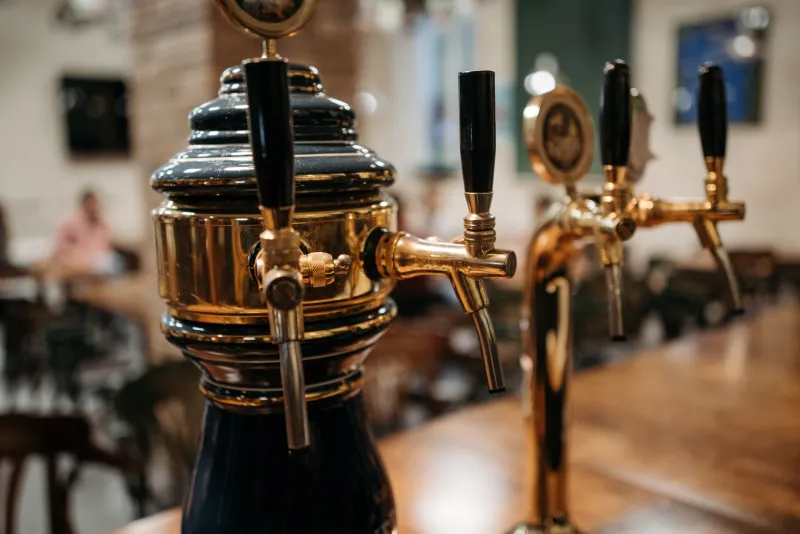
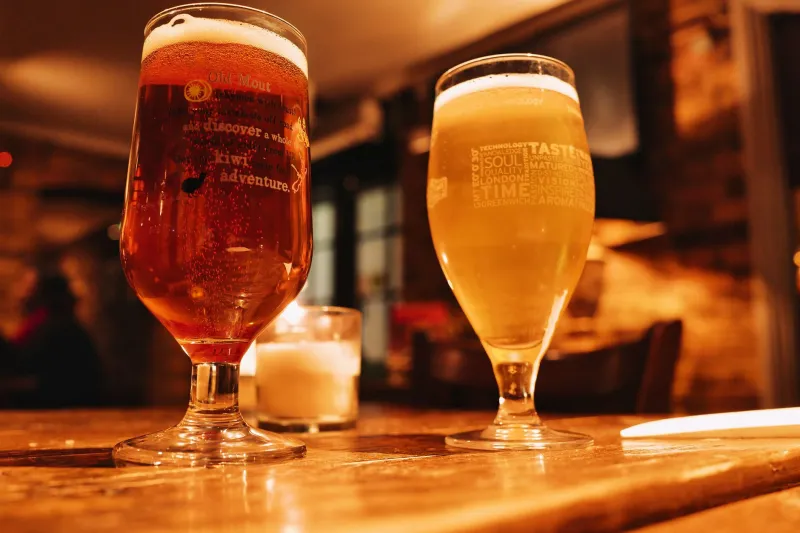
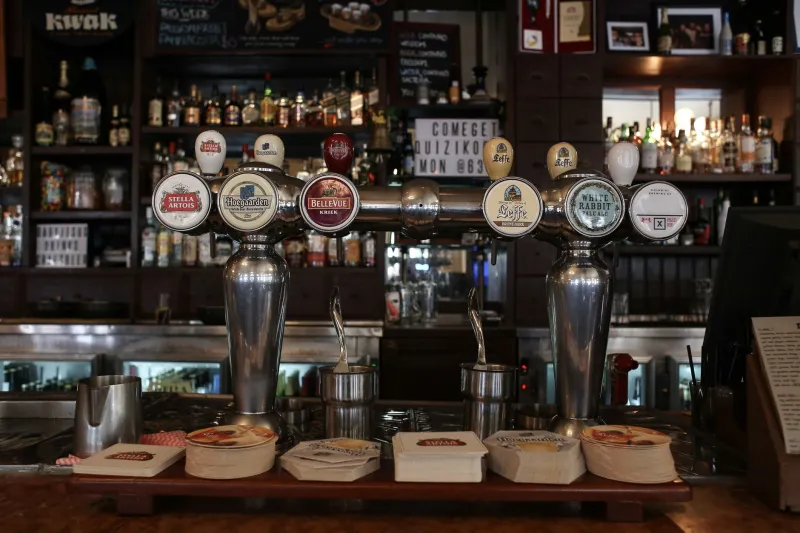
There is a particular sound in a London pub that gives the game away: the clink of a handpump being pulled, followed by the creak of a staircase. Downstairs, someone is settling in for a pint and a packet of salt and vinegar. Upstairs, a table has been booked for eight o'clock and the kitchen is already bracing itself. The same building, two different nights out.
The upstairs dining room is not a new idea. Pubs have been tucking tables into spare parlours, former function rooms and old billiard halls for decades. But in 2026 the arrangement feels less like a quirk and more like a blueprint. As restaurant rents continue to make central London wince, and as drinkers look for somewhere that feels less staged than a dining room with a host stand, the pub staircase has become a genuinely useful piece of hospitality real estate. You get the looseness of a boozer at ground level and the focus of a proper meal one flight up.
The room above the optics
The appeal is partly practical. A pub with an upstairs room can run two services without rebuilding itself. The ground floor stays wet-led, welcoming the dog, the laptop and the post-work pint. The first floor can be laid with cloths, or at least proper napkins, and turned over to a set menu that would be impossible to execute on a bar stool. It also gives a kitchen somewhere to stretch. A landlord who can sell six hundred pints on a Saturday afternoon does not necessarily want to serve a la carte at the same time. Separating the rooms separates the rhythms.
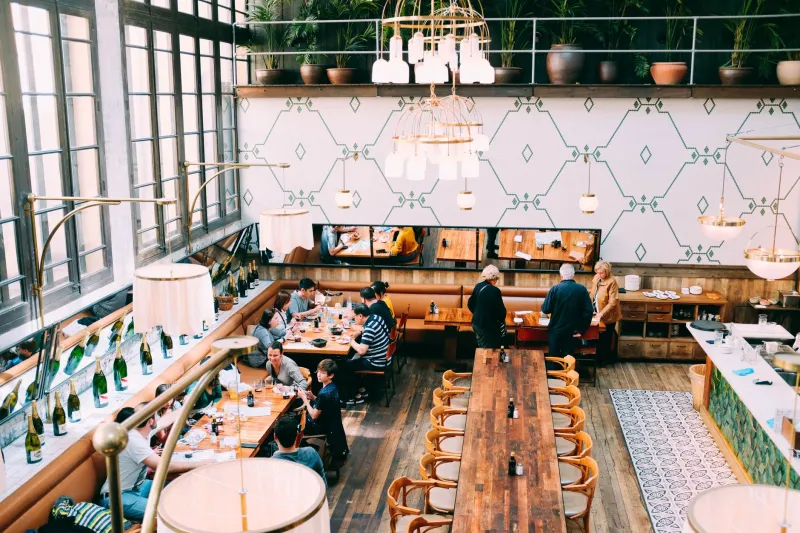
But the better upstairs rooms offer something more than logistics. They have the slightly improvised charm of a space that was never designed to be a restaurant. Expect low ceilings, sash windows, a fireplace that may or may not work, and a view over the street that makes you feel briefly like you live above the shop. The service tends to be friendly rather than formal. The wine list is often short and opinionated. The cooking is frequently seasonal, because a small upstairs kitchen cannot afford to be everything to everyone.
That is the double life in a nutshell: pint-and-crisps downstairs, seasonal plates and booked-out tables upstairs. It suits the way a lot of Londoners actually eat out now. We want a proper night out without the production of a tasting menu, and we want to feel like we are in a neighbourhood rather than a concept.
A set menu with a landlord's handwriting
The landlord-run set menu is the heart of the upstairs room. It might be three courses for a fixed price, written on a chalkboard and changed often enough that the kitchen has to mean it. It might be a short list of small plates, or a Sunday lunch that has been quietly perfected over years. The common thread is that the menu feels like it belongs to the pub rather than to a restaurant group's central office.
This is where the upstairs room earns its keep. A landlord can test an idea without betting the whole business on it. A chef can cook the things that do not travel well to a bar snack menu: a whole roasted fish, a slow-braised shoulder, a pudding that needs to be assembled at the pass. The room can be small enough to book out for a birthday, but not so large that it needs a function coordinator.
It also creates a useful kind of local loyalty. Regulars who drink downstairs will book upstairs for an anniversary. People who came for a Sunday roast will come back for a Tuesday set menu. The staircase becomes a small act of discovery, which is increasingly valuable in a city where so much is recommended before you have even left the house.
Guest chefs and the supper-club staircase
The other side of the upstairs room is the guest-chef supper club. It has become a fixture of London's pub scene: a kitchen that is quiet on a Monday, a chef with a following, a landlord willing to hand over the first floor for one night. The result can be anything from a regional Italian dinner to a fermentation-heavy tasting menu to a pie-and-natural-wine affair that sells out in an afternoon.
What makes these nights work is the lack of polish. The room is already there. The tables are already there. The bar is already pouring. A guest chef can arrive with a plan, a couple of helpers and a short menu, and the pub supplies the atmosphere. Diners get something that feels more like a dinner party than a restaurant booking. The pub gets a new audience without having to reinvent its ground floor.
For the neighbourhood, it is a way of keeping the lights on in the middle of the week. A booked-out upstairs room on a Tuesday is a small victory against the idea that London only eats out from Thursday to Saturday. It also gives local cooks a stage without asking them to sign a lease.
Why the upstairs room makes sense in 2026
The economics are not glamorous, but they are real. Running a separate dining room above a pub is cheaper than opening a standalone restaurant. You are not paying for a second front door, a second liquor licence or a second set of toilets. You are using space that might otherwise be a storeroom or a function room that only fills up at Christmas. In a year when everyone is talking about the cost of eating out, that efficiency matters.
There is also a mood shift. Diners in 2026 seem less interested in restaurants that feel like they could be anywhere and more interested in places with a bit of texture. A pub upstairs room has texture by default. It is not trying to be a brasserie. It is a room above a bar, and that is the point.
Where to climb the stairs
A few London pubs make particularly good use of the first floor. The Drapers Arms in Islington has long treated its upstairs dining room as a proper neighbourhood restaurant, with a seasonal menu and a wine list worth reading. The Marksman in Hackney puts its dining room above a public bar that feels happily untouched. The Princess of Shoreditch has an upstairs room that manages to be both polished and pubby. The Bull & Last in Kentish Town uses its first floor for a menu that leans into British produce without making a fuss. And the Guinea Grill in Mayfair keeps the upstairs grill room tradition alive, even if the prices are more expense account than everyday.
None of these places are secret. But that is not the point. The point is that the staircase is doing something useful. It lets a pub be two things at once: a local and a destination, a place for a quick pint and a place for a long supper. In a city that often asks you to choose, that is a small luxury worth climbing for.
So next time you are in a pub and notice a door marked 'Dining Room — Upstairs', take it seriously. The best table in the building might be the one you cannot see from the bar.