The Small Print: Nine London Pubs Where a Half-Pint Is the Whole Lesson
Ordering a half in a London pub can still feel like a small confession. You half-expect a raised eyebrow, a comment about the weather, or a barman who assumes you are waiting for someone. But the half is not indecision. It is a syllabus. It lets you move through a pub’s range without your palate clocking off at pint three, and it turns a casual stop into something closer to a tasting. The trick is knowing where to do it, and how to ask without looking like you have wandered in from a beer tour.
Why the half deserves a second look
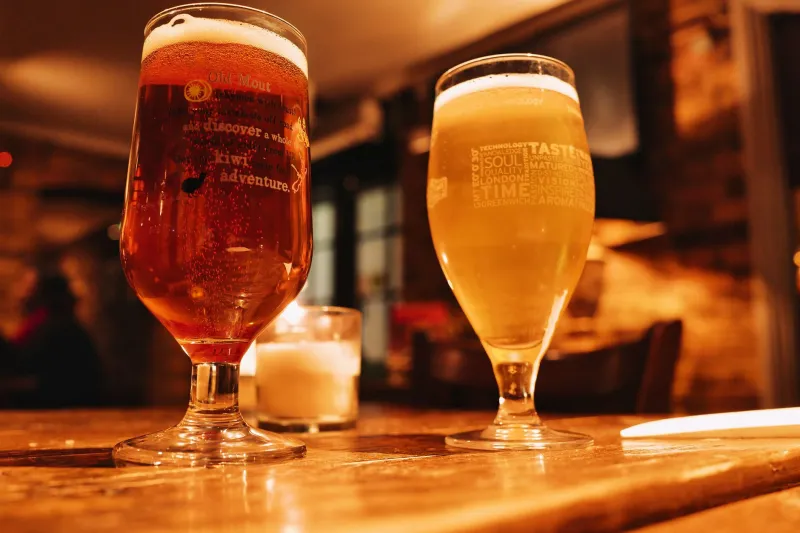
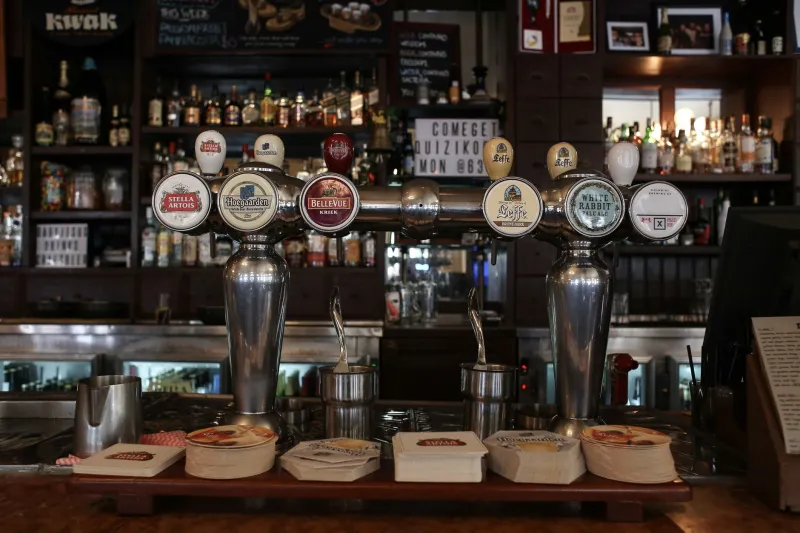
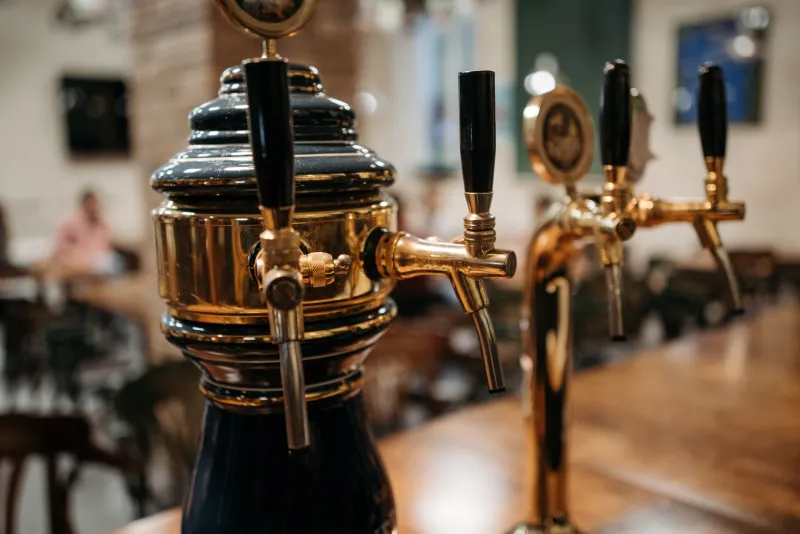
A pint is a commitment. A half is a conversation. In a pub with eight handpumps, four keg lines and a fridge full of cans, the half-pint is the only sane way to cover ground. It is also the measure that flatters certain beers: a delicate bitter at 3.6%, a dry saison, a soft hazelnut mild, a strong stout that would flatten you after a full pour. The half gives you the first sip, the middle and the finish. You actually notice them.
The other advantage is social. Halves keep the round flexible. You can try the dark beer your mate is raving about, then go back to the pale you actually wanted, all without surrendering an entire evening to one choice. In a city where pub menus change faster than some people change their lockscreen, that flexibility is worth something.
How to order without the side-eye
First, drop the word flight unless the pub uses it. Most London pubs will happily pour halves, and some will put them on a tray, but a printed tasting flight is still the exception rather than the rule. Ask for a half of two or three beers, pay for them, and take your time. If it is Friday at 7pm and the bar is four deep, do not ask for a guided tour. Go on a Tuesday. Go early. Go when the staff have room to talk.
Second, ask for a recommendation rather than a sample. A small taste is fine if you are genuinely deciding, but a half is the polite unit of curiosity. Say you are working through the range and ask which beer is drinking best. Publicans tend to enjoy that question far more than a request for a thimble of everything.
Third, use the right glass and do not nurse it for an hour. A half of cask ale is not improved by sitting under a warm light while you finish a conversation. Drink it while it is fresh. Order the next one when you are ready. The point is not moderation for its own sake; it is attention.
Nine pubs where a half is a proper lesson
The Harp, Covent Garden
A tiny, wood-panelled pub with a serious reputation for cask ale, The Harp is the kind of place where a half makes immediate sense. The range often leans towards Kent and Sussex bitters, and the smaller measure lets you compare the grassy, copper-coloured ones against the darker, maltier pours without your notes turning to mush. Stand at the bar, ask what is on, and work left to right. It is a proper lesson in how much difference a few miles and a few degrees of roast can make.
Southampton Arms, Kentish Town
This is a pub that takes ale and cider seriously without making a performance of it. The boards are the menu, the staff usually know the score, and halves are a sensible way to navigate a list that can move from bone-dry cider to a soft, fruity pale in one visit. Cider is the real education here: a half lets you taste the difference between sharp, tannic and outright farmyard without committing to a pint of something that might not be your thing.
The Wenlock Arms, Hoxton
A proper backstreet boozer with a beer range that rewards curiosity, The Wenlock is well suited to the half-pint curriculum. Ask for two halves of contrasting bitters, or a half of something dark alongside a pale, and you have a miniature tasting without the fuss of a formal flight. The pub is small enough that you can usually find a perch, and the staff are used to people working their way through the board.
The Pembury Tavern, Hackney
A roomy, lively pub with a good spread of taps, The Pembury is the sort of place where halves make practical sense. The range often covers crisp lagers, pale ales and darker specials, and the bar is set up for people who want to try more than one thing. Order a half of the lightest beer first, then the darkest. It sounds obvious, but it is the difference between tasting the roast and just tasting the last thing you drank.
The Old Fountain, Old Street
Tucked away near the City, The Old Fountain is a favourite for a reason: the beer is well kept and the range changes often enough to keep you interested. Halves are ideal here because the pub attracts a mixed crowd of locals, office workers and beer people, and nobody looks twice at a small glass. Ask which cask beer is freshest, take a half, and then decide whether the next one deserves a full pint.
The Royal Oak, Borough
A proper pub with a proper sense of itself, The Royal Oak is a good place to learn how bitters behave at different strengths. A half of the ordinary and a half of the best bitter side by side is a simple, old-fashioned education. The pub is close enough to Borough Market to catch the lunch crowd, but the bar still feels like a neighbourhood local. Go mid-afternoon, when there is room to lean and the staff have time to point you in the right direction.
The Cock Tavern, Hackney
A small pub with a big personality, The Cock Tavern is the kind of place where the half-pint feels like the natural unit. The range is compact but thoughtful, and the staff are usually happy to talk you through what is drinking well. If there is a dark beer on, take a half. If there is a saison, take a half. If there is something you have never heard of, take a half and ask a question. That is the whole point.
The Magpie, Bethnal Green
A friendly, unpretentious pub with a rotating beer board, The Magpie is well suited to a slow afternoon of small pours. The trick here is to resist the urge to order a pint of the first thing that sounds good. Take a half, sit with it, and then go back for the beer you were actually curious about. The pub is comfortable enough that you can spread a few halves across a table without feeling like you are holding a seminar.
The Ivy House, Nunhead
London’s first co-operatively owned pub is a good reminder that the half-pint is not just a beer-geek device. It is a way of settling in. The Ivy House has a broad range, a warm room and a community feel, and halves let you try the cask ale, the guest beer and maybe a cider without turning a quiet pint into a session. It is the kind of pub where the lesson is as much about pace as it is about flavour.
The lesson, in short
The half-pint is not a compromise. It is a way of paying attention. In a city with more good beer than any one person can reasonably drink in pints, the small measure is how you cover more ground, learn what you actually like and still walk home with your palate intact. Start with a half. Ask a question. Order the next one when you are ready. That is the curriculum.