The Sober Tap: London Pubs Where Zero-Proof Earns Its Keep
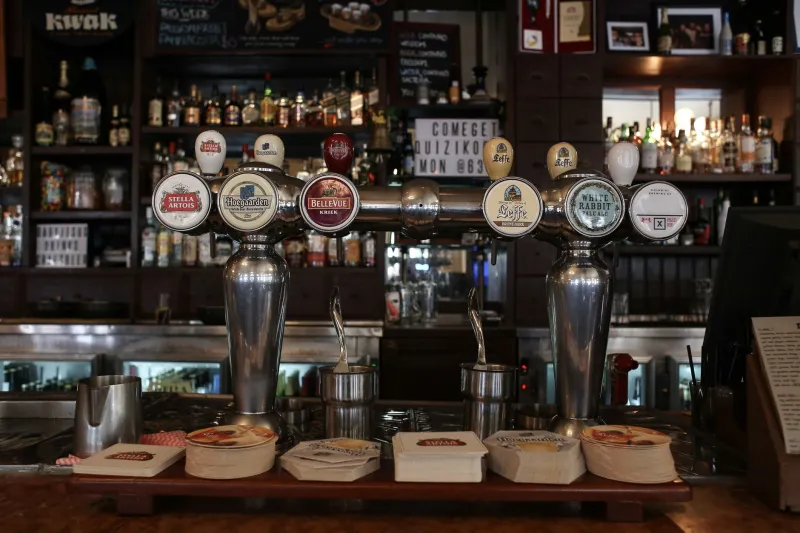
There is a particular moment in a London pub when the drinks menu lands and half the table leans in. For years, the alcohol-free section was the bit everyone skipped: a single lager, a dusty bottle of something sweet, maybe a tonic with a sad slice of cucumber. In 2026, that is changing. The zero-pint pub is not a separate, sober-only venue with beanbags and a lecture. It is the neighbourhood boozer where the bar manager has decided that a proper alcohol-free pour deserves the same glass, the same care and the same place on the list as everything else.
The shift is taste-first, not worthy. Nobody wants to be told what they should drink. They want something that stands up to a plate of smoked fish, a bowl of chips or a Sunday roast. They want a drink with bitterness, bite and a finish. And increasingly, London pubs are delivering exactly that.
The quiet upgrade at the bar
Walk into a well-run London pub this autumn and you may find three alcohol-free beers rather than one. A 0.0% stout with actual roast in it. A hop-forward pale ale that smells like a bag of Citra hops rather than breakfast juice. A house shrub — vinegar, sugar, fruit, maybe a little spice — topped with soda and served over a big rock of ice. Some bars are making their own bitters, steeping orange peel, gentian and cardamom to give a zero-proof highball a bit of backbone.
This is not a dry January gimmick. It is a year-round service decision. Pubs have noticed that the table booking for six often includes one person who is not drinking, whether because they are driving, training, pregnant, on medication or simply not in the mood. That person should not have to drink something that tastes like a compromise.
What good zero-proof looks like
A good alcohol-free list is not a long list. It is a considered one. The best bar managers treat zero-proof the way they treat cask ale: freshness matters, temperature matters, and the pour matters. A 0.0% stout should be served cool but not icy, with a proper head. An alcohol-free pale ale should be opened recently and poured into a clean glass. A shrub should be balanced — sharp enough to wake up the palate, sweet enough not to taste like salad dressing.
The dead giveaway of a lazy list is sweetness. Too many alcohol-free options are built like soft drinks, all fruit and sugar, with nothing dry or bitter to pull them back. The pubs getting it right are looking for dry finishes, herbal notes and acidity. They are also being honest about what a drink is: a 0.0% beer is not a pint of stout, and it should not pretend to be. It should be good in its own right.
Pairing plates without the lecture
The real test of a zero-proof menu is the food. In London pubs, chefs are increasingly thinking about alcohol-free pairings in the same way they think about wine or beer: acid cuts fat, roastiness meets sweetness, bitterness cleans up richness. A dark alcohol-free stout with a plate of roasted celeriac, hazelnut and aged cheese makes sense. A citrus-led shrub with cured trout or pickled herring gives the fish a lift. A hop-forward alcohol-free pale ale is a fine match for pork croquettes, salt cod fritters or a decent plate of chips with aioli.
None of this needs to be announced with a tasting note the length of a train ticket. The best pub service is still pub service: a quick suggestion, a half poured for a try, a nod towards the snack that works. The point is not to turn the bar into a science experiment. The point is to make the alcohol-free option feel like part of the evening rather than an afterthought.
The designated driver gets the best seat
There is a lovely side effect to all this. The designated driver — long exiled to the end of the bar with a sparkling water — now gets a proper drink and, often, the best seat. They are the one who can order a second round without checking the clock. They are the one who remembers where the coat is. And in 2026, they are increasingly the one being handed a well-made zero-proof stout and a plate of something hot.
Good pubs are also getting the small details right: alcohol-free options listed on the main menu, not hidden in the bottom of a fridge; clear pricing; a decent glass; and staff who can say what is actually good rather than pointing at the only bottle they have. That is not worthiness. That is hospitality.
A neighbourhood habit, not a month
The strongest zero-proof scenes are not in cocktail bars with theatrical smoke. They are in neighbourhood pubs from Walthamstow to Peckham, from Bermondsey to Crouch End, where the same people come in on a Tuesday and the bar knows their order. Those pubs understand that a no-alcohol option is not a niche product. It is part of the weekly rhythm: the post-work pint that is not a pint, the long lunch where one person is driving, the midweek supper where nobody wants a hangover.
That is why the zero-pint pub feels less like a trend and more like a correction. London has always been a pub city because pubs are flexible. They are places to mark a birthday, read the paper, argue about football or eat a plate of something seasonal without ceremony. Alcohol-free beer and well-made shrubs simply widen the door.
Where to start this week
If you are the one not drinking, ask what is fresh rather than what is available. Order a half first if you are unsure. Try a 0.0% stout with something roasted, or a citrus shrub with anything cured or fried. If the pub has a house-made bitter or soda, give it a go — that is usually where the care shows. And if you are the one drinking, do the decent thing: order the round properly, include the zero-proof pour and do not make a fuss about it.
The best pubs have always been about the whole table. In 2026, the alcohol-free list is finally catching up with that idea. The designated driver gets the best seat at the bar — and, increasingly, the best drink on it too.