The Counter Seat: Eating Alone in a London Pub Without the Apology
There's a particular hour in a London November — call it twenty to seven, dark already, the pavement shining — when the idea of cooking for yourself collapses entirely. Not because you can't. Because you'd rather not, and because there's a pub nine minutes away with the lights on and a stool free at the end of the bar.
Eating alone is not the consolation prize it's made out to be. Ask anyone who does it regularly and they'll tell you the same thing: a solo supper done well is one of the last genuinely unhurried pleasures left in the city. No negotiating over the last of the chips. No waiting for someone to finish a story so you can order. Just you, a plate that's been thought about, and a pint that arrives when you want it rather than when the table's ready.
The trouble is that most pubs are built for groups. Two-tops and four-tops, menus engineered for sharing, staff who read a lone diner as either a problem to be seated quickly or a puzzle to be solved with small talk. So here's a working set of standards — and a shortlist of the sort of neighbourhood places that get it right.
What Actually Makes a Pub Good for One
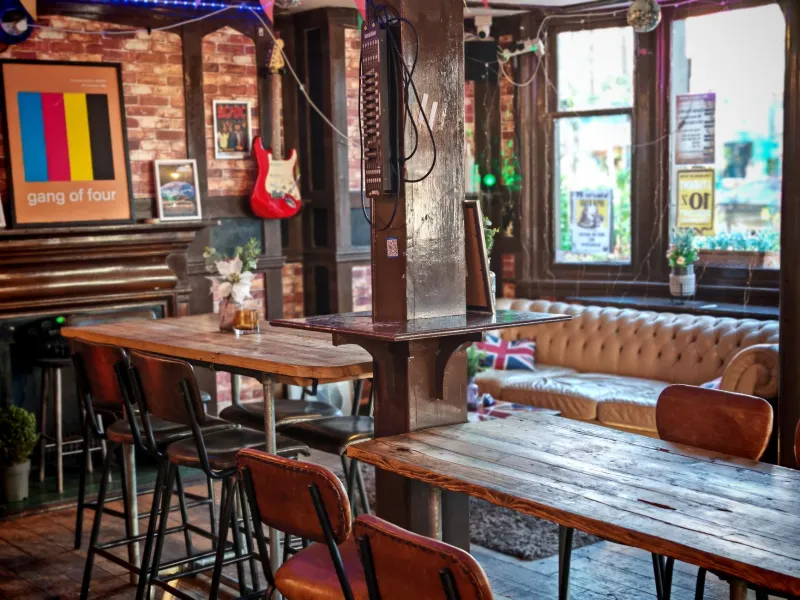
The stool matters more than the room. A solo diner wants a bar seat with a bit of back to it, elbow room on at least one side, and a view — of the pumps, the kitchen pass, the door. Perching on a high stool with your knees round your ears is not atmosphere, it's endurance. The best counters have a rail underfoot and enough depth to hold a plate, a book and a glass without a balancing act.
Scale the plates, don't shrink them. A good pub will let you eat properly on your own: a starter-sized something, a main, maybe a side of bread, without the menu demanding you order three plates or none. Watch for the places that quietly offer a half portion of the pie, or a single sausage with mash rather than a sharing board of six. That's a kitchen that has thought about who might be sitting down.
Read the customer, not the script. The real skill is the greeting. Some solo diners want the barman's opinion on the stout and a bit of chat about the football. Some want to be left with a paperback and a top-up every twenty-five minutes. A good pub can tell the difference within the first thirty seconds, and it does it without ever making you feel like you've been assessed.
Pace, not speed. Nobody wants to be in and out in forty minutes with the pudding arriving before the plates are cleared. Nor do you want to sit for twenty minutes with an empty glass wondering if you've been forgotten. The rhythm to look for is roughly this: drink, order, a gap long enough to read a chapter, food, then the offer of one more without being pushed towards it.
And a bill you don't have to chase. Nothing punctures a good solo night like waving at the bar for ten minutes. Cash-friendly, card at the table, or just a barman who clocks the empty coffee cup — small things, but they're the difference between leaving happy and leaving mildly annoyed.
Five Neighbourhood Spots That Get the Counting Right
These aren't destinations to cross London for. That's the point.
The elder sibling of a Peckham corner site — a long zinc-topped bar, half a dozen stools that face the kitchen, and a chalkboard that runs to about nine things, three of which come in small. Order the soup and the braised something, drink the ordinary bitter, and you'll be out for under thirty quid feeling like you've had an evening.
A back-street pub off the Holloway Road — no music until eight, a fire that's actually lit rather than decorative, and staff who will ask whether you want the paper or the corner seat. The sausages and mash come in two sizes, which is either a gimmick or the most civilised thing in North London. It's the latter.
A Kentish Town boozer with a proper dining room you can eat in alone — the trick here is that the bar menu works just as well standing up as sitting down, so nobody looks twice at a lone diner with a plate of devilled kidneys and a half of mild. Ask for the seat by the window.
A converted corner house in Walthamstow — long tables, sure, but with a stretch of counter that runs the length of the room and a kitchen doing seasonal small plates that make sense for one person. The staff are good at the gentle top-up, and the wine by the glass is worth the extra two quid.
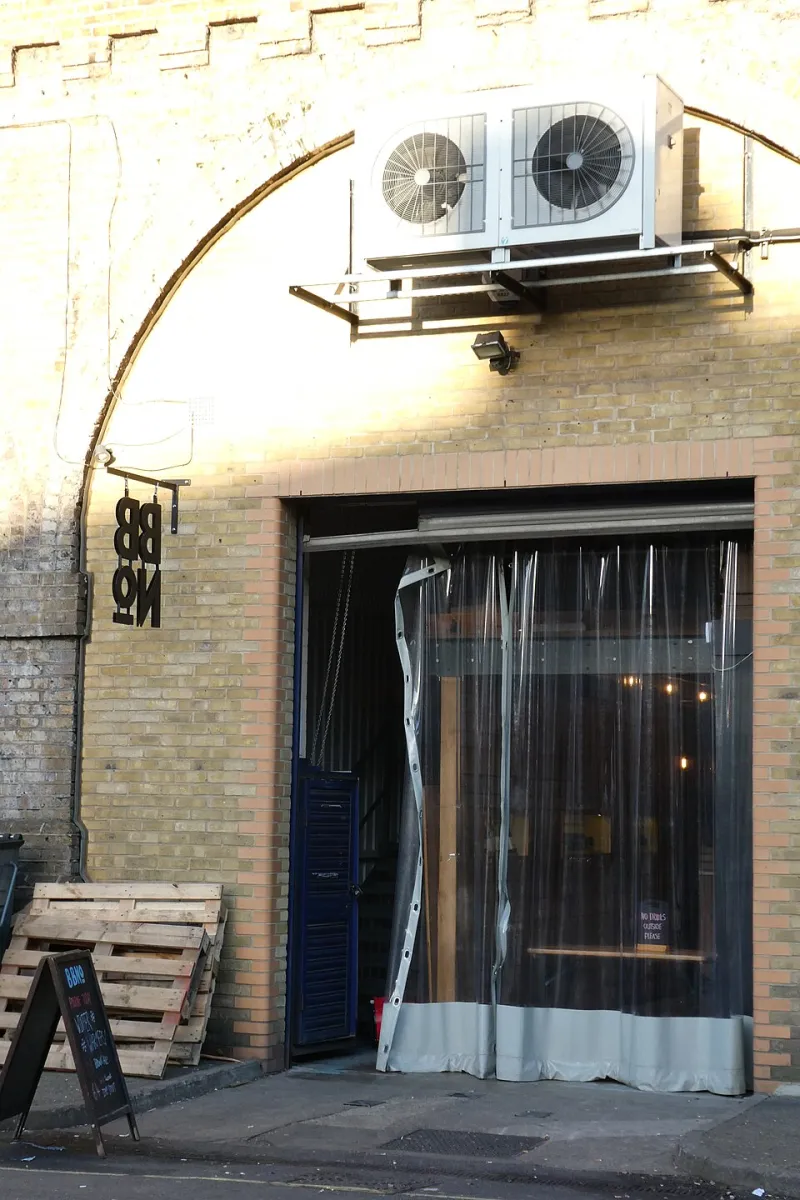
A Bermondsey railway-arch pub — louder, busier, the sort of place where being on your own is entirely unremarkable because half the room is. Bar snacks are excellent, the pie is a serious proposition, and there's a good chance the person next to you is also reading.
The Rules of the Counter, Insofar As There Are Any
Sit at the bar. Always. A table for two occupied by one person is a small act of aggression against the pub's takings, and it makes you feel conspicuous into the bargain. The counter is friendlier, quicker and — crucially — easier to leave from when you've had enough.
Start with a half. It buys you time to decide whether this is a one-drink stop or a two-hour supper, and it signals to the staff that you're in no rush to be processed.
Ask what's good tonight. It's the single fastest way to turn a functional meal into a conversation, and kitchens remember the people who care.
Tip on the second drink, not the first. It's less performative and it lands better.
And leave when you're done. The great luxury of the solo supper is that it ends exactly when you decide it does — no waiting for the bill, no waiting for anyone's taxi, no last round you didn't want. Out into the cold at half nine, pleasantly beered, fed properly, home before the washing-up you never created.
That's the whole case, really. A pub that can look after one person well can look after anyone. And in a city that's increasingly built for groups with bookings, there's something quietly radical about a stool, a plate and a pint, held open for whoever turns up on their own.