Elbow Room: The London Pubs That Make a Long Table Feel Like an Invitation
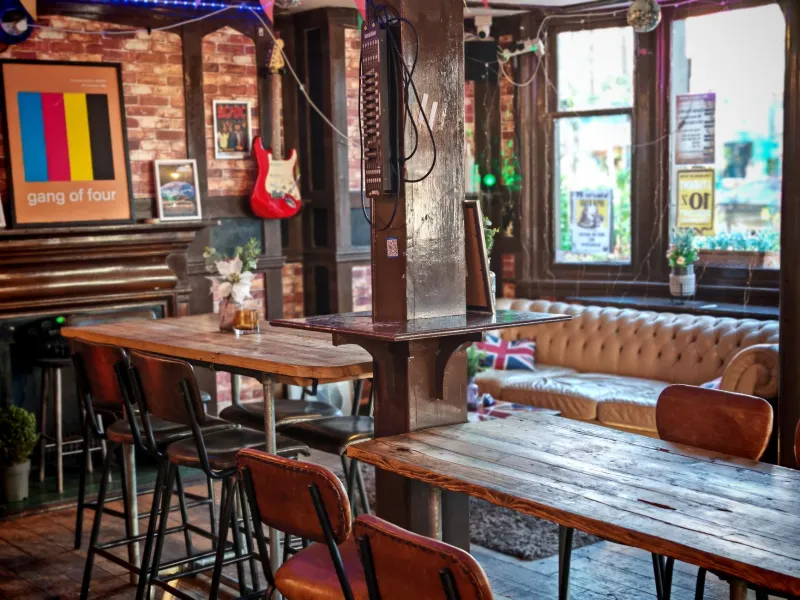
There is a particular kind of London evening that begins with a solo pint and ends with you arguing about the correct way to butter soda bread with someone you met ninety minutes earlier. The long table is responsible. It is pub furniture with a social conscience: a stretch of wood that says, quietly but firmly, that dinner is better when it is not a private meeting.
As November settles in and the city starts making its familiar case for early nights, the communal table becomes especially appealing. You get the warmth of a packed room without the admin of assembling a group chat. You get seasonal cooking without a tasting-menu performance. And you get a proper pint in front of you while the bread makes its way down the table.
Here are a few London pubs where the long table is not a gimmick but the whole point — plus a little practical advice for taking a seat without feeling like you have wandered into someone else's birthday.
The table as the main event
The Canton Arms in Stockwell has the kind of bar-side setup that encourages lingering. Its blackboard cooking leans into the season, and the dining room rewards people who are willing to share: a plate of something braised, a dish of greens with more butter than strictly necessary, a bowl of potatoes that becomes the table's common cause. The long-table spirit here is less about a single piece of furniture and more about the way the room nudges you into conversation. Book for the dining room if you want a proper sit-down; take your chances at the bar if you are flying solo and happy to perch.
The Camberwell Arms is another south London pub where sharing plates make sense of the menu. The cooking is generous and unfussy, the kind that suits a table of mixed appetites, and the Sunday lunch has earned a loyal local following. If you are booking for a long table, say so when you reserve. Pubs are practical places, and a quick note about group size, dietary needs and whether you want to order ahead will get you a much better result than turning up with a hopeful expression.
The Anchor & Hope near Waterloo is the sort of pub that has long encouraged a democratic approach to dinner. Its communal tables and no-nonsense approach to booking — check current policy before you go — make it a good bet for people who like their supper to come with a side of theatre. Arrive early, order a bitter, and treat the snack list as a warm-up rather than an afterthought. The bread and butter is not a side dish; it is the opening argument.
How to order for a table of strangers
There is a fine line between generous ordering and a hostage situation. The safest approach is to start with two or three things per two people, then add. Bread, something pickled, something fried, a vegetable dish and one larger plate is a decent opening hand. If the pub does a set sharing menu, take it. Kitchens build those menus to feed a table properly, and it removes the low-level anxiety of wondering whether everyone has had enough.
Drink-wise, keep it simple and seasonally minded. A proper bitter or a dark mild works with most winter cooking; a crisp lager is nobody's enemy; and a carafe of house red is often the most sociable thing on the list. If there is a low-alcohol option that has been made with care rather than obligation, order one. The long table is a marathon, not a sprint.
The etiquette bit
You do not need to become the table's social secretary. A nod when the bread arrives, a willingness to pass plates and a genuine question about what someone has ordered will do most of the work. If you are on a table with strangers, read the room. Some people are there for company; others are there for dinner and a book. Both are valid. The beauty of the communal table is that it gives you permission to talk without requiring you to perform.
Book ahead for Thursday to Saturday, especially in the run-up to Christmas. Midweek is more forgiving, and a Tuesday or Wednesday table often has the ideal mix: enough people to make the room hum, enough space to hear yourself think. If you are a group of six or more, ring the pub rather than relying on an online form. Ask what the kitchen needs from you, and ask whether the table is yours for a set window. Pubs are not restaurants with infinite turns, and a clear conversation helps everyone.
The neighbourhood argument
The long table is a quiet rebuttal to the idea that London pubs are only for private plans. It says that a neighbourhood night can start with a stranger passing you the salt. It says that seasonal cooking does not need a white tablecloth to be worth your time. And it says that a proper pint tastes better when there is a bowl of something warm within reach.
So pass the bread. Pull up a chair. The table has room, and the kitchen has been expecting you.