The Sweet Handpump: London Pubs That Finish Supper with a Pint
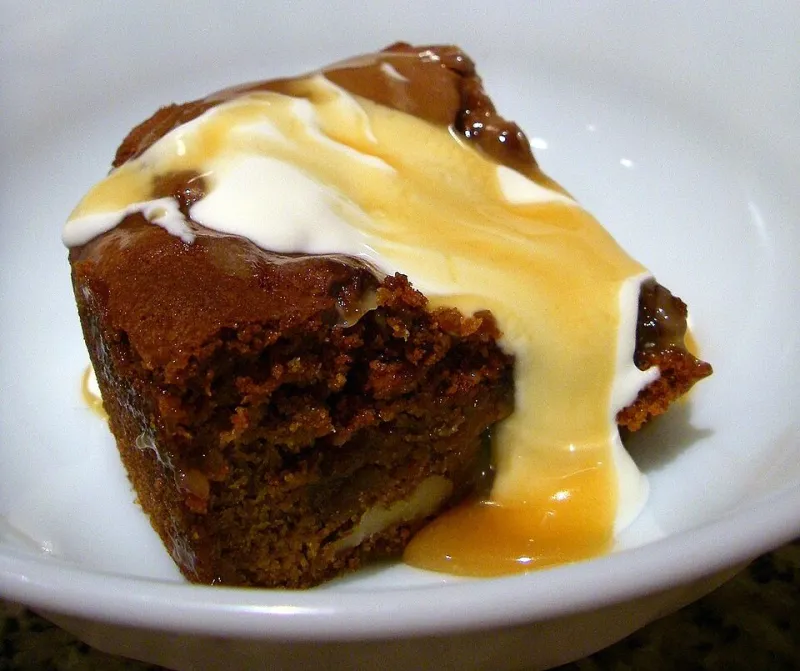
Photo: Chalk and Cheese, CC BY 2.0, via Wikimedia Commons
There is a moment, near the end of a good pub supper, when the menu asks you to make a decision you have not been trained for. The plates are cleared. The last of the main-course pint has gone warm in the glass. Someone offers you the pudding list, and someone else — often the same person — asks if you want a glass of something sweet with it. In most London pubs, that means a dessert wine, a sticky, or a thimble of something fortified. Fine. But it is not the only answer, and it is rarely the best one.
The better answer is usually already on the bar, pulling slowly through a handpump or waiting in the fridge under a dark label. A half of porter with a treacle tart. A dark mild beside a baked custard. A stout that makes a chocolate pot taste less like a sugar delivery system and more like a proper end to the evening. This is the pint and pudding pact, and it is one of the great unsung pleasures of the neighbourhood pub supper.
The case against the dessert-wine default
None of this is a complaint about dessert wine. A good Sauternes has its place, usually at a table with a white cloth and a bill that requires a deep breath. But pub puddings are different. They are warmer, heavier, more likely to involve suet, syrup or custard. They need something with roast and bitterness as much as sugar. Beer has both, and it has carbonation, which cuts through the final spoonful better than most sweet wines manage.
The other advantage is size. A half-pint is a sensible amount of pudding beer. A glass of dessert wine can feel like a commitment; a half of dark mild feels like a conversation. You can finish it while the plates are still on the table, or let it sit while you argue about the bill. In a pub, that flexibility matters.
Where the kitchen reads the handpumps
The pubs getting this right this winter are not making a song and dance of it. They are simply treating the pudding course as part of the beer list rather than a separate, wine-shaped problem. At the Canton Arms in Stockwell, the cooking has long had a way with dark, bitter things, and when a chocolate pot or a stout-heavy pudding appears, the move is to ask what is dark and low on the bar. The roast edges of a porter do something to the sugar that a sweet wine cannot: they dry the finish and make you want another spoonful.
The Marksman in Hackney is another good bet. Its puddings tend to arrive with the confidence of a kitchen that knows exactly how much syrup a sponge can take, and a half of dark mild is the quiet partner. Mild is the unsung hero of the pudding course: low in alcohol, gently sweet, with just enough hop to stop the whole thing collapsing into dessert. The Drapers Arms in Islington has a similar instinct. A baked custard or a rice pudding wants something soft and malty beside it, not a glass of something that tastes like it was designed in a laboratory.
Further west, the Harwood Arms in Fulham has been cooking at this level for years, and its game-and-pudding rhythms suit a stronger beer. A treacle tart with a barley wine or a strong dark ale is not a stunt; it is a reminder that beer can handle sweetness without losing its shape. The Bull & Last in Kentish Town, meanwhile, is the sort of pub where a sticky toffee pudding and an imperial stout feel like a conversation you want to have slowly. The Guinea Grill in Mayfair will do you a spotted dick and a London porter if you ask nicely, and the combination is as traditional as the room itself.
The half-pint is the point
The best version of this pairing is not a pint at all. It is a half. That is not a compromise; it is the whole idea. A half of dark mild, a half of porter, a half of stout — enough to taste, not enough to swamp the pudding or the end of the evening. Pubs that list a suggested half beside each pudding are doing the Lord’s work. Pubs that let you order a small glass of something dark without explaining yourself are even better.
It also helps to ask. Bar staff know which beers are tasting well, which casks are near the end, and which puddings are heavier than they look. A simple question — what would you put with this? — is usually met with a better answer than the wine list. That is the neighbourhood pub advantage in one exchange.
A small ritual worth keeping
The pudding course does not need to be a grand finale. It can be a small, deliberate stop before the walk home: one spoon, one half, one last look at the room. In a city that is very good at turning dinner into an event, there is something reassuring about a pub that treats the final course as part of the ordinary night out. The pint and pudding pact is not a trend. It is just a better way to end supper, and this winter there are enough London kitchens and handpumps getting it right to make it a habit.