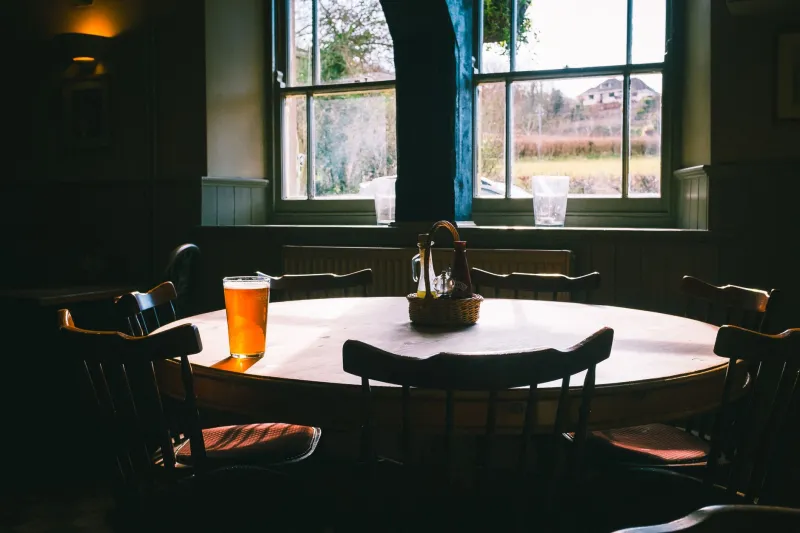
Sharp Notes from the Condiment Shelf: London Pubs That Pickle Like They Mean It
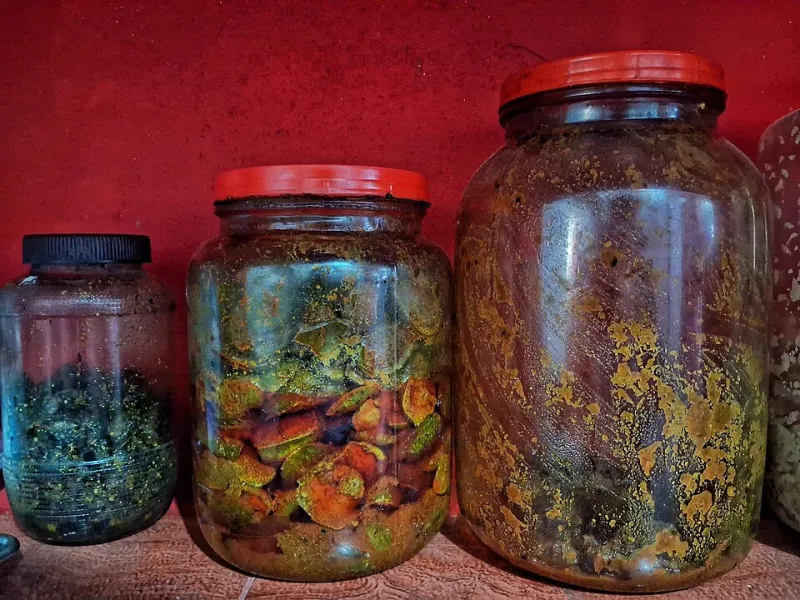
Photo: পাপৰি বৰা, CC BY-SA 4.0, via Wikimedia Commons
There's a moment, somewhere between ordering and the plate landing, when you can tell how a pub kitchen thinks. It's not the specials board. It's the row of jars on the back shelf — the kilner with the cloudy liquid, the squeeze bottle with the hand-written tape label, the little dish of something dark and shredded that arrives unbidden beside your pie.
A pub that pickles is a pub paying attention. Not because fermentation is fashionable (it has been for a decade now, and the fashion has mostly passed), but because brine is how a kitchen stretches a season. Cucumbers in July become the sharp counterweight to a December braise. Chilli gluts in September become the hot sauce that saves a grey February lunch. Pickling is thrift with a bit of ego, and in a London where a decent pub supper now costs what a restaurant main did five years ago, thrift is not a small virtue.
What the jars are telling you
The condiment shelf is a kitchen's working notebook. Read it like one.
House kraut — properly fermented, not vinegar-killed — means somebody on the team understands time. Good kraut takes a fortnight minimum and smells like a bad idea for most of it. On a pub plate it should cut through something rich: pork belly, a smoked haddock rarebit, a soft cheese with too much butter in it. If it arrives wet and sweet, they've bought it in and dressed it up.
Fermented chilli — the mash, the sauce, whatever they're calling it — is the tell for a kitchen that cooks with heat rather than sprinkling it. A good fermented chilli has fruit and funk under the fire. Ask for it on the side once. If they bring it without ceremony, in a little ramekin, you've found a kitchen that's proud of it.
Pickled walnuts — the old-fashioned one, and the most London of the lot. Dark, tannic, almost meaty. They belong with cold roast beef, with a slab of mature cheddar, with anything that needs a bitter edge. A pub keeping pickled walnuts on the shelf in 2026 is making a deliberate point about its own taste.
Quick pickles — red onion, fennel, radish, whatever's glutting — are the low-effort end. Not a bad thing. A sharp red onion does more for a burger than most chefs' entire garnish programme. But quick pickles tell you about the week, not the kitchen's soul.
Pairing the brine with the pint
This is where it gets interesting, because acid and hops can fight as easily as they can dance.
With house kraut and anything porky, go for a bitter with a bit of malt backbone — a London Pride or something in that family. The sweetness of the malt meets the sour of the ferment and neither wins. A hop-forward pale ale will make the kraut taste like vinegar, which is not the point.
With fermented chilli, you want something with either enough body to carry the heat or enough carbonation to scrub it. A dry stout works unexpectedly well — the roast notes echo the char of the chilli. Failing that, a crisp lager, properly cold, and don't overthink it.
With pickled walnuts and cold meats, a dark mild is the answer and always has been. Low strength, a bit of sweetness, enough going on to stand up to the tannin. This is the kind of pairing that makes you wonder why anyone bothers with wine lists.
With quick-pickled onion on a burger, honestly, whatever you're drinking is fine. But a session IPA at 4% will let you have a second, and a second is usually the point.
Three pubs where the shelf does the talking
The Crown and Sceptre sort of place — the unreformed Victorian corner pub with a kitchen that's quietly gone full ferment — is the archetype here. Look for the pub where the bar snacks include a jar of something you have to ask about. In south London, the kitchens around Peckham and Nunhead have been doing this for years: kraut on the sausage rolls, chilli ferment in the Bloody Mary, pickled walnuts in the cheese toastie. The pints are unremarkable and the pickles are not.
In east London, the converts are more self-conscious about it. You'll find fermented hot sauce listed on the menu by name, with a note about the chillies' provenance. That's fine — the sauce is usually good, and the pub generally pours a decent pale to go with it. Just don't let the menu prose distract you from the plate.
And then there's the proper neighbourhood pub — the one with a landlord who's been there since before anyone called it a 'programme'. Their pickle might be a single jar of onions behind the bar and a bottle of homemade horseradish in the fridge. That counts. That's the same instinct, just quieter.
The test
Order something with a pickle on it. Ask what's in the jar. If the answer comes back specific — 'fennel, star anise, a bit of chilli, been going since Tuesday' — you've found your pub. If it comes back vague, you've found a garnish.
Either way, you've got a pint in front of you and a reason to stay for a second. That's the brine and the pint, working as intended.