The Paper Trail on the Pub Wall: Seven London Kitchens That Name Their Farms
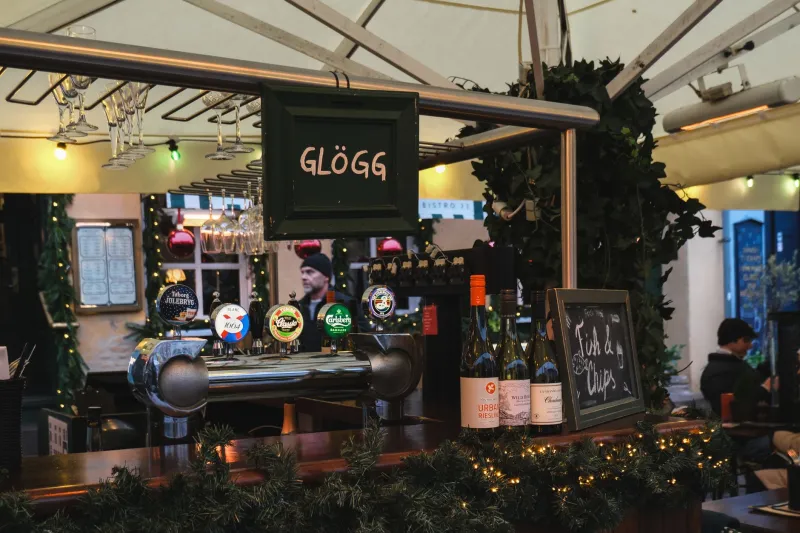
Walk into a London pub and the chalkboard is doing a lot of work. It is listing the pie, the fish, the Sunday roast and, increasingly, the farm, the dairy and the bakery behind them. Some of that is genuine transparency. Some of it is decoration. The difference matters, because a pub that can name its suppliers is usually a pub that has thought harder about the plate, the pint and the seasons.
This is not about demanding a full audit trail with every order of chips. It is about reading the signals. At The Windmill, we are interested in seasonal plates, proper pints and neighbourhood nights – and provenance is one of the clearest ways to tell whether a pub is cooking with intent or just filling a board.
How to read the paper trail
A chalkboard that says ‘locally sourced’ is wallpaper. A chalkboard that says ‘Swaledale lamb from a farm in the Yorkshire Dales’ is a contract. The first phrase cannot be checked. The second can. That is the whole point.
Look for specificity. A named farm, a named dairy, a named bakery, a named brewery. If the menu names the dairy but not the farm, ask. If it names the farm but not the breed, ask again. Staff who know the answer will tell you without blinking. Staff who do not will reach for the same three vague words.
Look for consistency. Does the same supplier appear across the menu, or is the provenance badge bolted onto one dish? A pub that names its beef farmer, its cheese maker and its baker is building a relationship. A pub that names one farm and then serves a menu of anonymous produce is doing marketing.
Look for seasonal movement. A menu that changes with the calendar is more likely to be telling the truth than one that has carried the same ‘seasonal’ label since the spring. This does not mean every pub must rewrite its board daily. It means the board should respond to what is actually available.
Look at the beer list in the same way. A brewery name and a location are a good start. A hop name, a malt bill or a fermentation note is better. A pub that can tell you why the pale ale sits next to the fried fish is a pub that has joined the dots between bar and kitchen.
And look for the red flags: ‘farm assured’, ‘market fresh’, ‘British beef’ and ‘seasonal produce’ with no names attached. A huge menu with a dozen named suppliers is suspicious. A menu that never changes is suspicious. A bar team that cannot tell you where the lamb came from is the clearest signal of all.
Seven pubs where the supply chain is specific enough to trust
1. The Marksman, Hackney
The Marksman has the kind of menu that reads like a supplier list with recipes attached. The kitchen is serious about British produce, and the bar is serious about beer without making a performance of it. Ask about the cheese or the fish and you will get a proper answer. Ask about the beer and you will get a short, well-chosen list rather than a fridge full of noise.
2. The Drapers Arms, Islington
The Drapers Arms has long been a useful benchmark for the modern London pub: confident cooking, a daily-changing menu and a supplier list that is specific enough to be useful. It is the sort of place where the provenance claim is not a separate paragraph on the website – it is built into the way the menu moves.
3. The Camberwell Arms, Camberwell
Whole-animal cooking and a daily menu are good signs in themselves. The Camberwell Arms names the farms behind much of what it serves, and the cooking follows the seasons rather than fighting them. The result is a pub where the plate and the pint feel like they belong to the same neighbourhood.
4. The Harwood Arms, Fulham
Game from named estates, a kitchen that understands the value of a good supplier and a bar that does not treat beer as an afterthought. The Harwood Arms is a useful reminder that provenance is not only for vegetables and cheese. It applies to the pint, too.
5. The Bull & Last, Kentish Town
The Bull & Last has built a reputation on named farms, careful sourcing and a menu that changes with the seasons. It is the kind of pub where you can ask a straightforward question about the beef or the bread and get a straightforward answer. That sounds like a low bar. In London, it is not.
6. The Pelican, Notting Hill
The Pelican names its suppliers and lets the menu do the talking. The cooking is generous, the beer list is thoughtful and the whole place understands that a neighbourhood pub can be both relaxed and precise. Provenance here is not a lecture. It is a useful shorthand for a kitchen that knows what it is doing.
7. The Anchor & Hope, Waterloo
A long-standing example of the daily-menu approach, with suppliers named when you ask and a kitchen that clearly cooks from what is available. The Anchor & Hope is not trying to impress you with a glossary. It is trying to feed you well. The provenance is in the cooking, not just the chalkboard.
Why this matters for the pint
A pub that cares about where the plate came from should care about where the pint came from too. That does not mean every pub needs a twenty-tap craft board. It means the beer list should be specific enough to be useful: brewery, location, style, and maybe a hop or a malt that tells you something. A pub that can name its farmer can usually name its brewer. If it cannot, ask why.
Provenance is not a guarantee of a good meal. It is a signal. It tells you the kitchen has relationships, the bar has opinions and the pub is paying attention. In a city full of chalkboards, that is worth ordering from.