The Lights Are On: Why London's Neighbourhood Pubs Are the Real Night Out
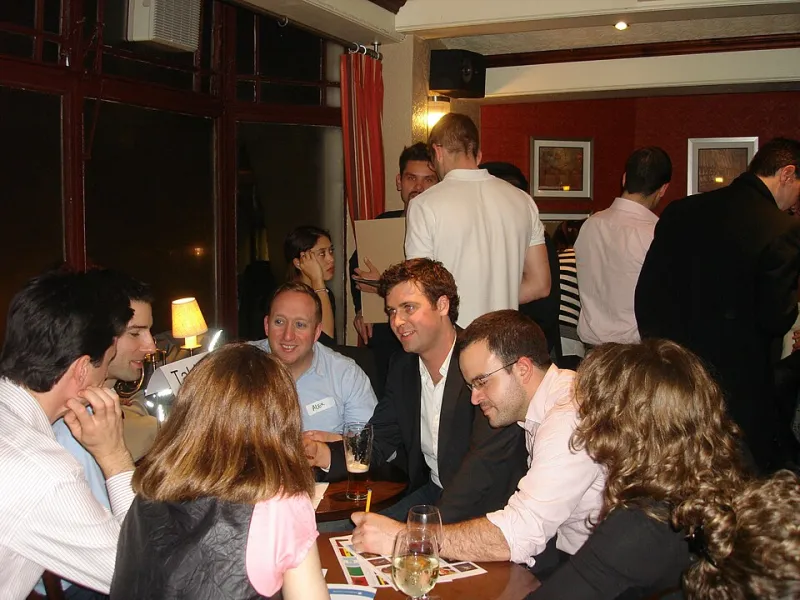
Photo: Chatham House, CC BY 2.0, via Wikimedia Commons
London has no shortage of opinions about what makes a good night out. We are told it is the new rooftop bar with a view of a car park, the pop-up in a railway arch, the members' club with a waiting list longer than the bar. But the most underrated social institution in this city is not a secret. It is the pub at the end of your road, with the lights on, the quiz sheet out, and a landlord who knows your name. In 2026, after years of closures, rising costs and the slow erosion of places to go without spending a fortune, the neighbourhood pub is doing the quiet work of keeping London connected after dark.
The Quiz Night Is Not a Cliché. It Is Infrastructure.
Maya Ellis, landlady of The Ragged Cot in Lewisham, has run a Tuesday quiz for six years. She says the regulars are not just there for the prizes. 'We have a team that has been coming since the first night,' she says. 'They have been through births, breakups, a move to Kent and a move back. The quiz is the excuse. The room is the point.' That is the thing about a good quiz night: it is low-stakes, it is cheap, and it gives people a reason to sit opposite someone they might not otherwise meet. It is social infrastructure disguised as a bit of fun. In a city where it is easy to go a week without speaking to anyone outside your household, that matters.
Vinyl, Supper Clubs and the Art of Staying Put
Walk into The Elm & Lantern in Hackney on a Thursday and you will find a turntable, a stack of records and a rule: no phones at the bar while the music is on. It is not a performance. It is a way of slowing the room down. Owner Ben Okafor says the vinyl nights started because he was tired of shouting over the music. 'We wanted people to listen, order another drink, and stay,' he says. 'You would be surprised how many people come on their own and end up in a conversation about the B-side.'
Supper clubs are doing something similar. Our own Windmill has been running a Sunday supper club with a fixed menu and a shared table, and the result is less like a restaurant and more like a dinner party with better chairs. You do not need to know anyone. You just need to turn up and pass the bread. These nights are not flashy, but they are memorable, and they are happening across London in pubs that have realised their advantage: they are already part of the neighbourhood.
Why This Matters More in 2026
The case for the local pub is not nostalgia. It is practical. A night out in a pub is cheaper than a night out in a club, it does not require a complicated booking, and it is open to people who are not in their twenties. Tom, a 34-year-old regular at The Ragged Cot, puts it simply: 'I work from home. If I did not go to the quiz, I might not leave the flat after six. It is not just a pint. It is the only time I see people.' That is not a small thing. Loneliness is not a problem solved by a bigger bar or a louder sound system. It is solved by repeated, low-effort contact with the same people in the same place.
Publicans are under real pressure, too. Rents, energy bills and staff costs have not gone away, and many venues are running lean. The pubs that are surviving are the ones that have become more than a place to drink. They host book clubs, life-drawing classes, language exchanges and fundraisers for local schools. They are flexible in a way that larger venues cannot be. They are, in effect, community centres with a better drinks list.
A Call to Action: Keep the Lights On
If you want these nights to exist, you have to use them. That does not mean committing to a weekly session or spending more than you can afford. It means choosing the pub over the delivery app once in a while, joining the quiz even if you are rubbish at it, and bringing a friend who has not been out in a while. Book a table for the supper club. Go to the vinyl night and actually listen. Buy a pint, say thank you, and tell the landlord you had a good time. It sounds small, but it is how neighbourhoods stay alive after dark. The lights are on. The least we can do is walk towards them.